Where Plastic Sneaks Into Daily Life
Author: Rachel Date Posted:4 February 2026

Deplastify - Verb: To remove plastic from the environment
In PART 1 we talked about the pervasiveness of microplastics in our bodies and environment. Once you start noticing plastic in daily life, it’s easy to see just how widespread it really is.
It’s not our fault. We’ve been sold convenience our whole lives... and when concerns about plastic’s impact finally began to surface, the plastic industry positioned recycling as the solution that would put our minds at ease.
The reality is more complicated. To date, less than 10% of all plastic ever made has been recycled, around 14% has been incinerated, and the remaining 76% ends up in landfills, dumps, or the natural environment. This is because most plastic products are not designed to be reused or recycled. Only around 1% has been recycled more than once. Regardless, plastic isn’t infinitely recyclable, anyway. It’s downcycled into lower quality plastic. It still degrades, sheds, and contributes to our growing microplastic problem, and ultimately must be discarded.
And despite valiant efforts, global agreement on a legally binding Global Plastics Treaty to end plastic pollution has not yet being reached.
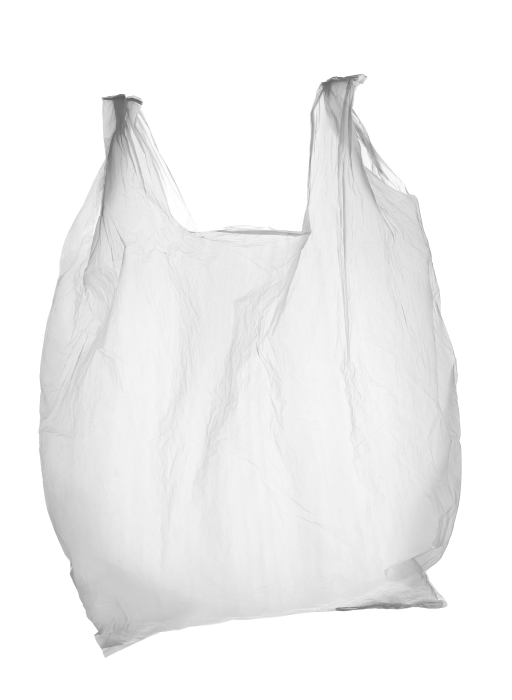 Most of us don’t actively choose plastic. It chooses us. Everywhere we look, the options include plastic. It isn’t just bottles and bags. It sneaks into our daily lives in ways we barely notice - until we start paying attention...
In the bathroom our daily routines = repeated plastic exposure from the likes of toothpaste tubes and brushes, hair care bottles, disposable razors, makeup packaging and personal care items.
In the kitchen there are higher concerns, because we have food + heat + plastic; in the form of “microwave-proof” containers, cling wrap & zip lock sandwich bags, takeaway containers, dish sponges and scrubbers and even tea bags!
Out and about that convenience traps us with coffee cups & lids, bottled drinks, straws & cutlery and all those plastic snack wrappers. In fact, our highest use of single-use plastic is usually while we’re on-the-go.
While shopping it comes in the form of packaging, produce stickers, "recyclable” packaging that isn’t recycled, plastic-lined paper packaging, plastic wrapped in plastic. It’s no surprise when you consider this: more than 40% of all plastic produced is used for packaging.
Hidden plastic in our homes isn’t just packaging. We can find it in our clothes, in our cleaning cloths & wipes and many other synthetic fabrics that shed microplastics.
We didn’t design the system, and perhaps it can seem so overwhelming at times we feel frozen to do anything at all! But awareness comes before change, and you don’t have to fix everything all at once.
The good news is, once you notice where plastic sneaks in, you can choose where it stops. Easily. One change at a time.
So, this week, just notice... Pick one area - the bathroom, kitchen or car - and pay attention to what you use once and throw away. And next time, we’ll look at the easiest plastic swaps to start with - the ones that make the biggest difference with the least effort.
Remember, deplastifying your life is about progress over perfection. Stick with us, and we’ll guide you through the plastic maze.
What’s Next: The Easiest Plastic Swaps That Matter Most
- - - - - - - - - - - - - - - - - - - - - - - - - - - -
All Reusable Planet articles written by Rachel or our Guest Bloggers are written by a real humans and carefully reseatched. Our goal is to inform, educate and empower people to reduce waste and unnecessary plastic in every day life.
To read more eco living articles, head over to our main blog page.
If there is something you would like to see us write about, we’d love to hear from you! Send us an email or find us on our socials! We love spreading the message of reducing waste and the overuse of unnecessary plastic, so follow along and come be a change-maker with us!
Follow us on Instagram, Facebook or Twitter @ReusablePlanet or SUBSCRIBE and get weekly easy eco-living tips via email
Comments (1)
Something Worth Thinking About
By: jersain on 13 July 2026This honestly made me stop and think. I knew plastic waste was a problem but I did not realise how many everyday products expose us to it. One thing I still wonder is how much of a difference individual choices can really make when so much plastic comes from product packaging. Do you think manufacturers need to take more responsibility rather than putting the burden on consumers?
Reusable Planet Response
Hi, thanks for reading and asking a really important question... How much responsibility do manufacturers and businesses actually have? Taking stock of our plastic use - actually seeing it instead of just using it - can be a real eye opener! Most of the plastic waste discarded comes from households - but you're right. That's largely because we're buying products that are made of and packaged in plastic. And I do see change - products hanging on cardboard hangers instead of plastic. Shoes made from recycled material. Packaging swapped from plastic to cardboard. But change is incremental, and the fact remains that every year, we are producing exponentially more plastic. I think manufacturers have a significant responsibility, but governments also play a critical role in setting the rules that encourage or require businesses to change. In Australia, we are doing much better than some other countries. Product stewardship programs and legislation are moving forward. Not at rocket speed, but it's happening. We now have a nationwide battery stewardship program. Officeworks will take their electronic waste back, along with pens and markers. Big W accept broken toys for recycling. Stores like Mecca and David Jones collect used makeup packaging and chemists accept blister packs. There's still more - a lot more - that needs to be done. But we are also now in an era where we are finally studying the impacts of plastic on human health. It's getting personal. It's not just platypuses dying of liver disease from toxic PFAS. It's humans. As more long-term research becomes available, governments will have stronger evidence to support meaningful regulation. Change rarely happens overnight. It comes from people asking questions, making different choices and encouraging businesses and governments to do better. Every one of those actions helps move us in the right direction. It will take a group effort! Thanks again for taking the time to read the article and leave such a thoughtful comment. Rachel Less Waste Advocate